This mixed media painting course is designed for artists who want to learn how to combine drawing, acrylics, oils, and glazing using professional criteria. Through a structured process of practical lessons, you will learn to control colour, build layers, consolidate technique, and develop a complete artwork step by step.

COURSE LESSONS

18 step-by-step lessons
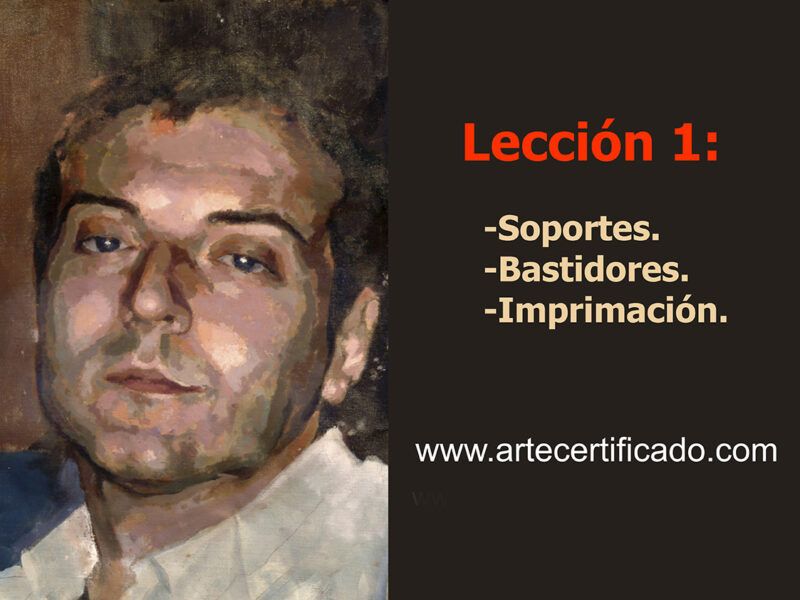
Lección 1 del curso de pintura técnica mixta: soportes, bastidores e imprimación.
Mixed Media Technique Course · Miguel Vivo

Lesson 1 — Supports, stretcher frames and priming
Supports, stretcher frames and priming: how to choose the right support and prepare the surface before painting.

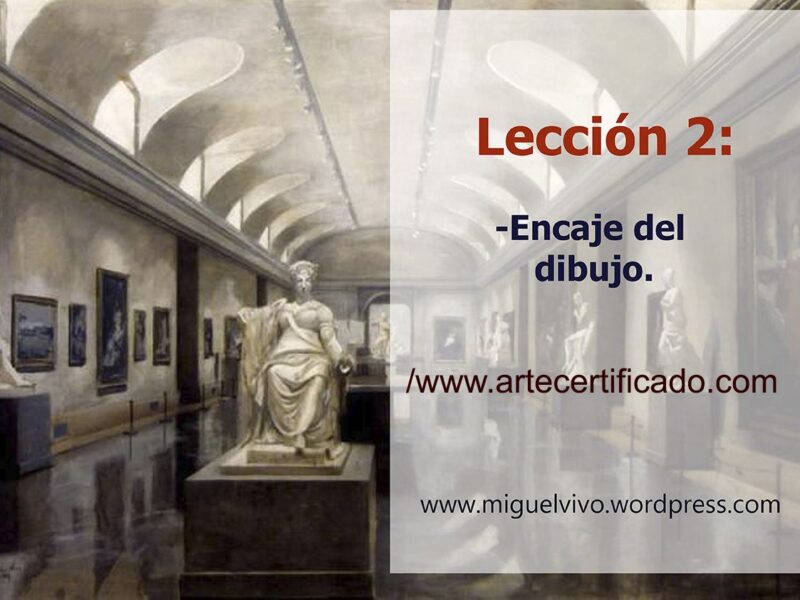
Lección 2 del curso de pintura técnica mixta: encaje del dibujo.
Mixed Media Course · Miguel Vivo

Lesson 2 — Drawing construction

Correct drawing construction: proportions, axes, and framing. You will learn how to place the main masses and adjust measurements before starting the water-based work and the subsequent layers.

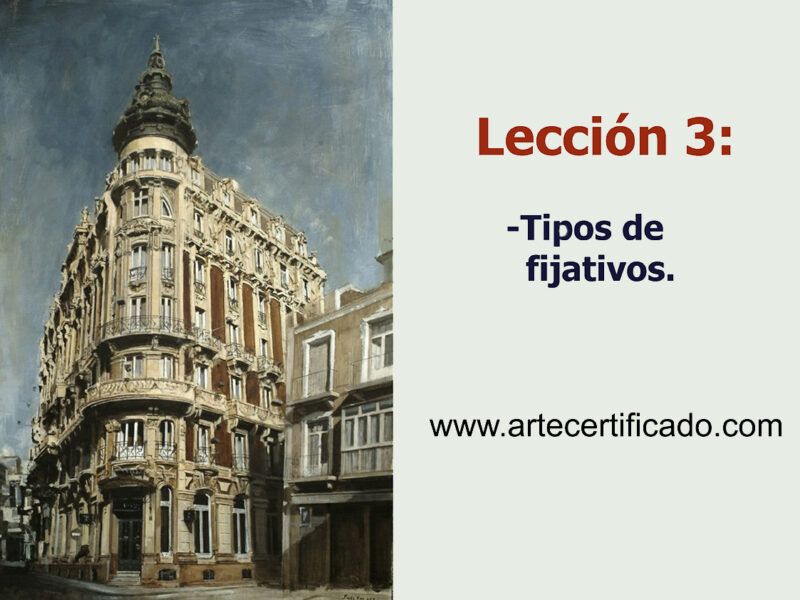
Lección 3 del curso de pintura técnica mixta: tipos de fijativos para el dibujo.
Mixed Media Course · Miguel Vivo

Lesson 3 — Types of fixatives

Learn how to fix the drawing construction on canvas or wood so it does not smudge or mix with the paint. We will cover the different types of fixatives, when to use each one, and common mistakes.

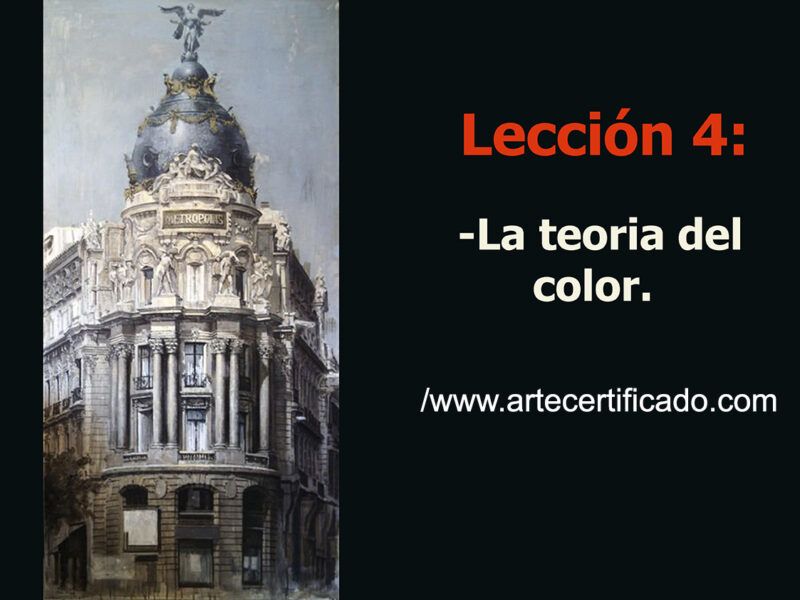
Lección 4 del curso de pintura técnica mixta: teoría del color, armonías y contraste.
Temperature, values and harmonies

Lesson 4 — Colour Theory

Understand temperature, value and saturation to control light. Harmonies (complementary/analogous) and contrast to add strength and depth.

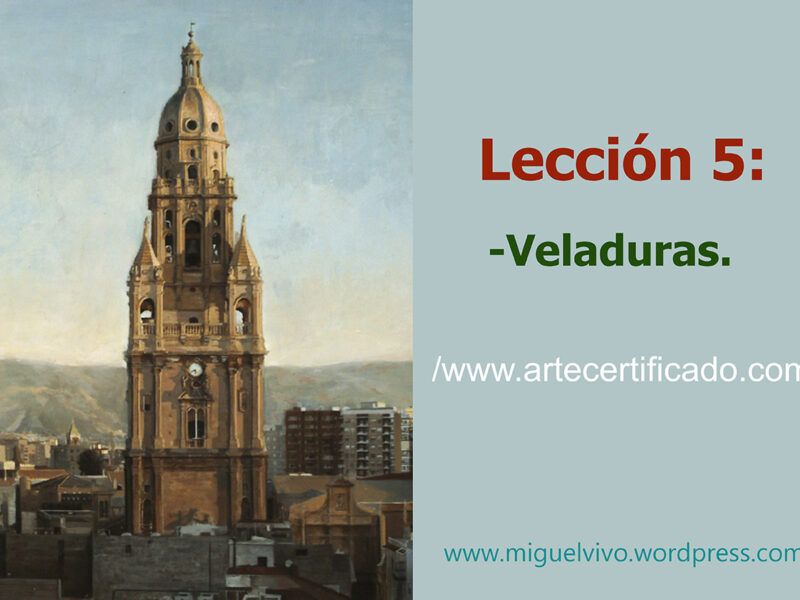
Lección 5 del curso de pintura técnica mixta: veladuras para crear profundidad, atmósfera y luz.
Transparency, depth and atmosphere

Lesson 5 — Glazing

What glazing is and how to apply it correctly. Control of transparency, layers and timing to enrich colour, depth and light without muddying the paint.

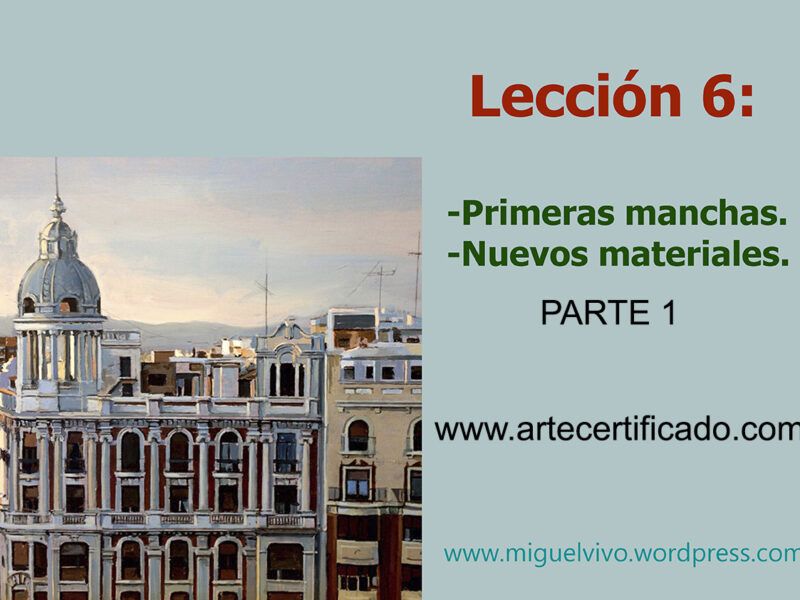
Lección 6 (parte 1) del curso de pintura técnica mixta: primeras manchas y nuevos materiales.
Initial blocking-in of the painting

Lesson 6 (Part 1) — Initial blocking-in and new materials
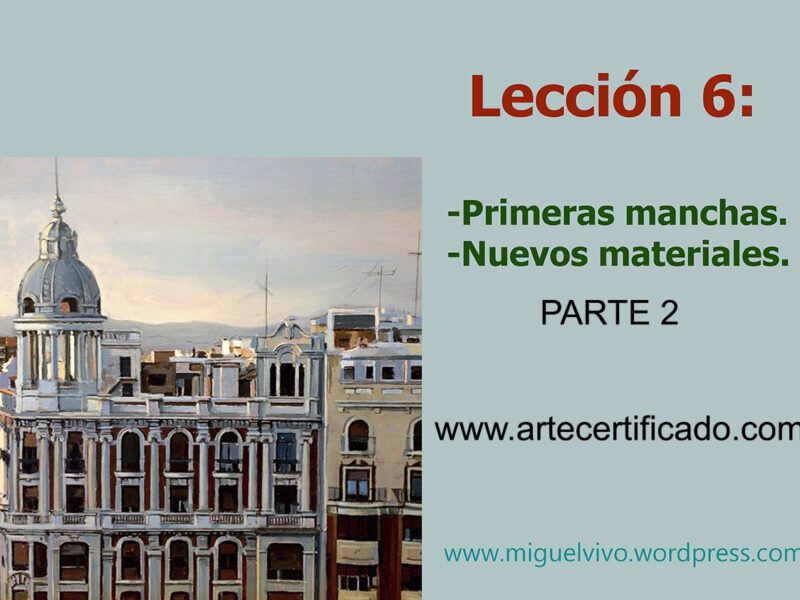
Initial paint blocks to establish values and atmosphere. New materials.

Lección 6 (parte 2) del curso de pintura técnica mixta: primeras manchas y nuevos materiales.
Initial blocking-in · New materials

Lesson 6 (Part 2)

Continuation of the initial stage: first paint blocks with greater intent, adjustments to values and temperature, and how to choose materials without “muddying” the base.

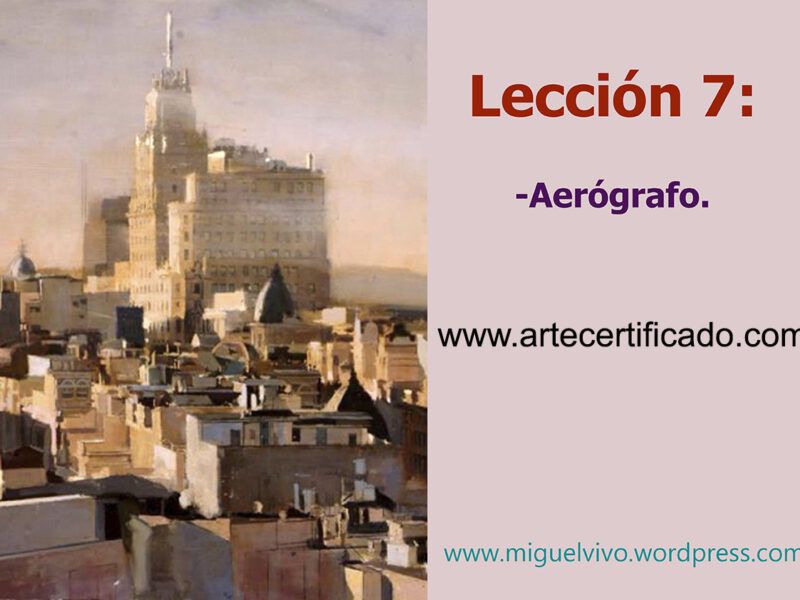
Lección 7 del curso de pintura técnica mixta: aerógrafo (aplicación y control).
Airbrush

Lesson 7

Basic airbrush setup (pressure, dilution and nozzles) and practical application for gradients, atmosphere and fine glazes without “building up” the paint.

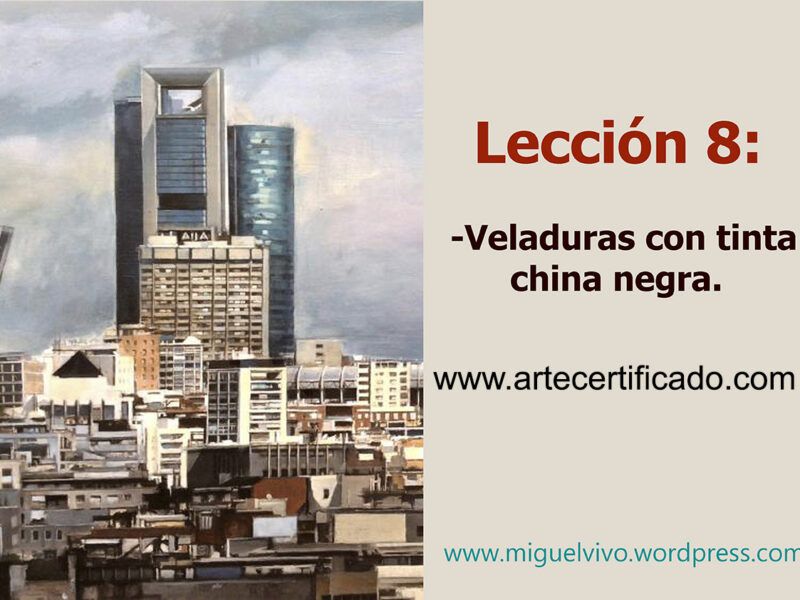
Lección 8 del curso de pintura técnica mixta: veladuras con tinta china negra.
Black Chinese ink glazes

Lesson 8

How to use black Chinese ink in fine glazes to adjust values, depth and atmosphere. Dilutions, transparency control and common mistakes (stains, unwanted sheen and hard edges).

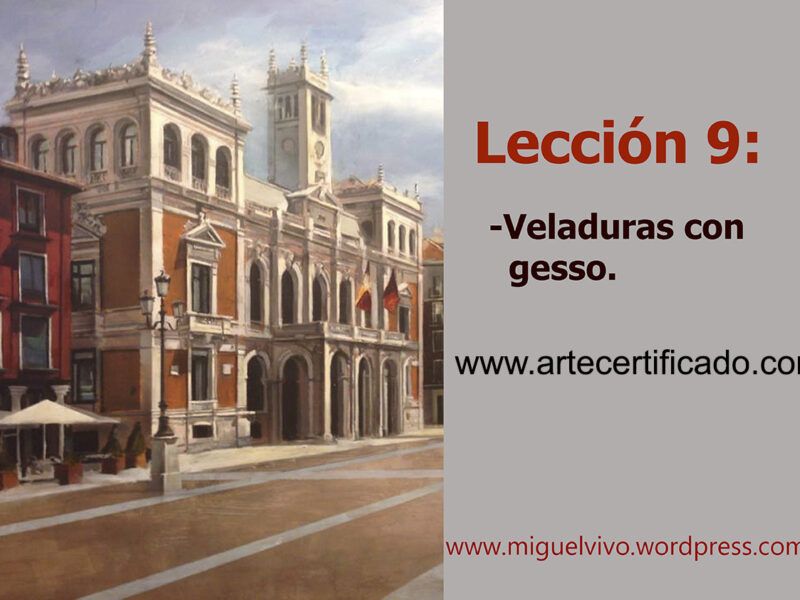
Lección 9 del curso de pintura técnica mixta: veladuras con gesso.
Gesso glazes

Lesson 9

How to use diluted gesso in glazes to lighten areas, unify planes and create atmosphere. Water ratio, thin layers, edge control and common mistakes (chalkiness, lifting and stains).

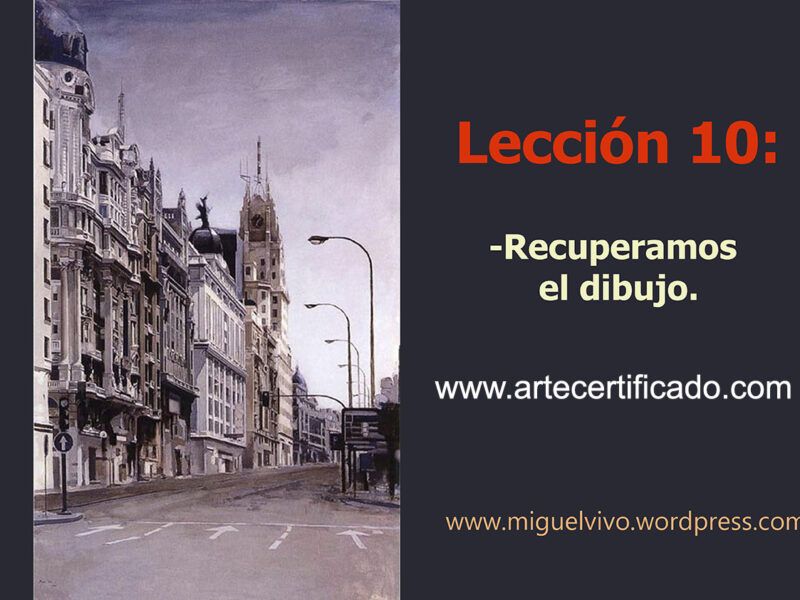
Lección 10 del curso de pintura técnica mixta: recuperamos el dibujo.
We re-establish the drawing

Lesson 10

After the first layers of paint, we re-establish the drawing to correct proportions and reinforce the structure.
How to redraw lines without muddying the colour and maintain overall coherence.

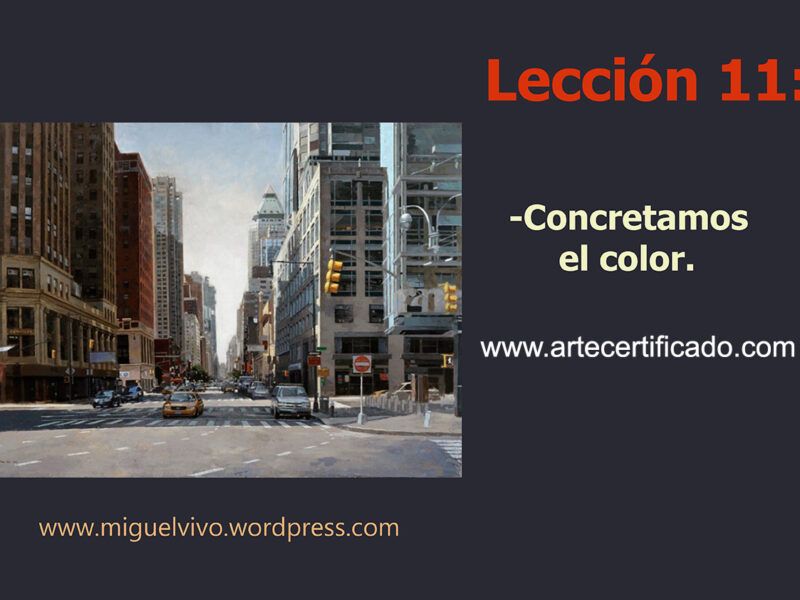
Lección 11 del curso de pintura técnica mixta: concretamos el color.
We define the colour

Lesson 11

We define the final palette and refine colour relationships between highlights, shadows and mid-tones.
Adjustment of temperature, saturation and contrast to achieve unity without “muddying” the atmosphere.

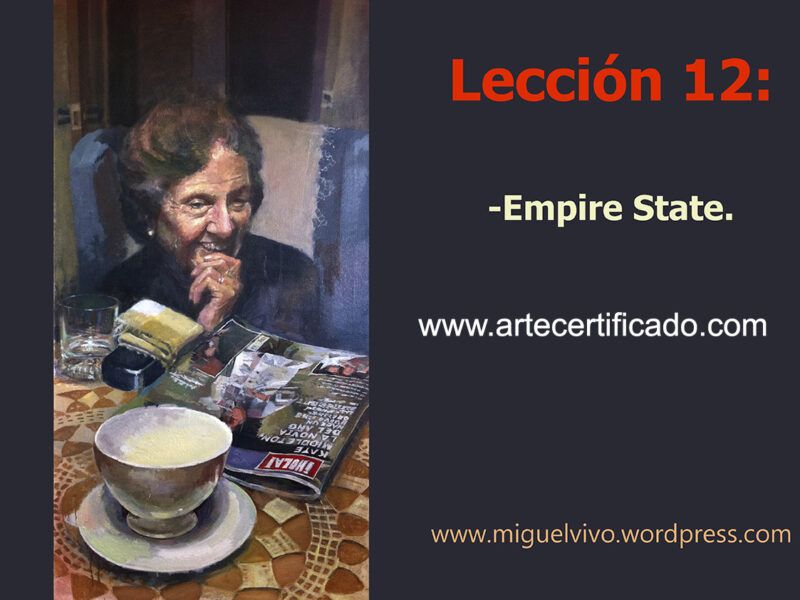
Lección 12 del curso de pintura técnica mixta: Empire State, recuperación del dibujo y estructura.
Empire State

Lesson 12

We re-establish the drawing of the Empire State, defining structure, planes and proportions.
Orderly construction of the vertical rows of windows and the break in the plane.

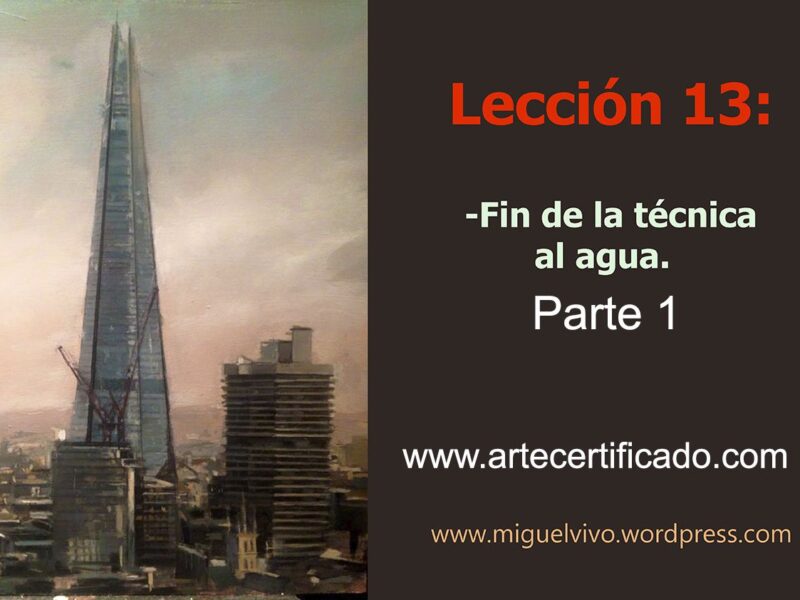
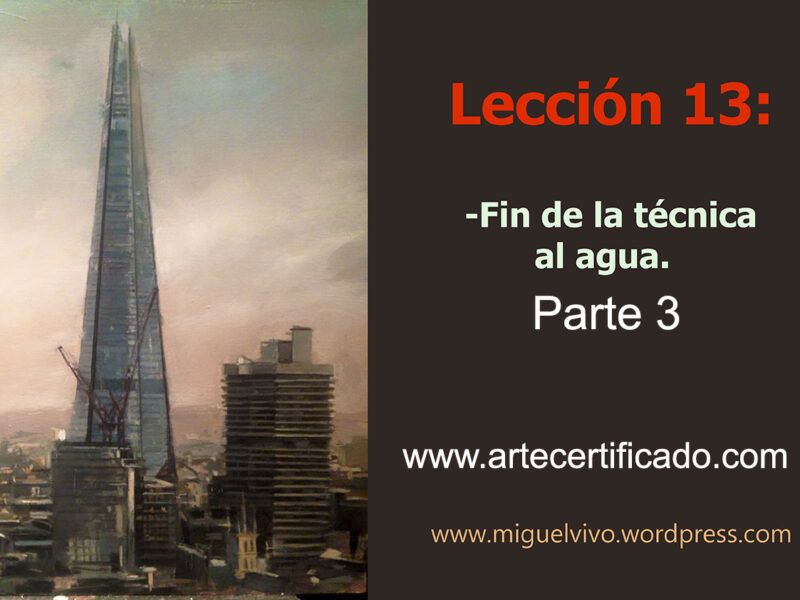
Lección 13 parte 1 del curso de pintura técnica mixta: fin de la técnica al agua y cierre de aguadas.
End of the water-based technique · Part 1

Lesson 13. Part 1

Control of values, transparency and overall visual clarity.
The painting is left ready to move on to mixed media without setbacks.

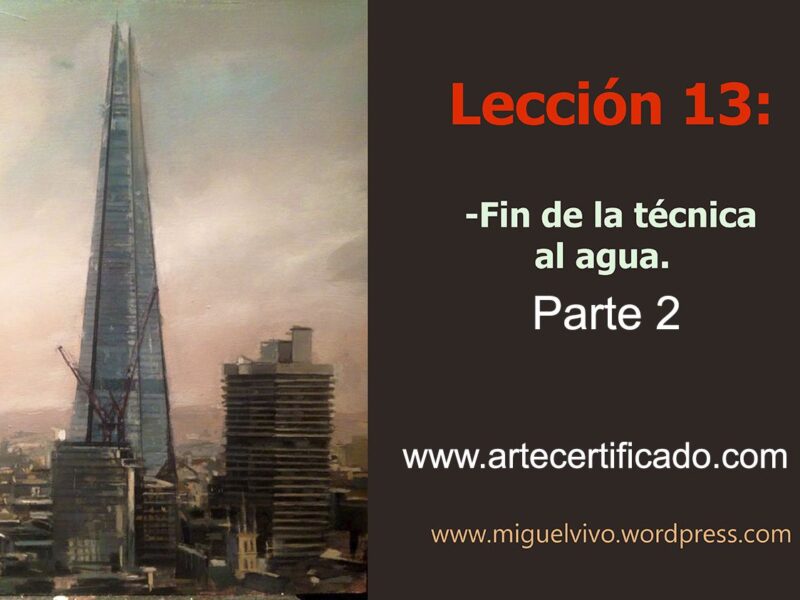
Lección 13 parte 2 del curso de pintura técnica mixta: cierre definitivo de la técnica al agua antes del paso a seco.
End of the water-based technique · Part 2

Lesson 13. Part 2

Final consolidation of lights and shadows using the water-based technique.
Correction of overall readings without adding material.
The painting is left ready to move into mixed media.

Lección 13 parte 3 del curso de pintura técnica mixta: control final de valores y atmósfera en la técnica al agua.
End of the water-based technique · Part 3

Lesson 13. Part 3

Final refinement of values and tonal relationships.
Correction of atmosphere and depth without losing freshness.
Clear preparation for the complete closure of the water-based technique.
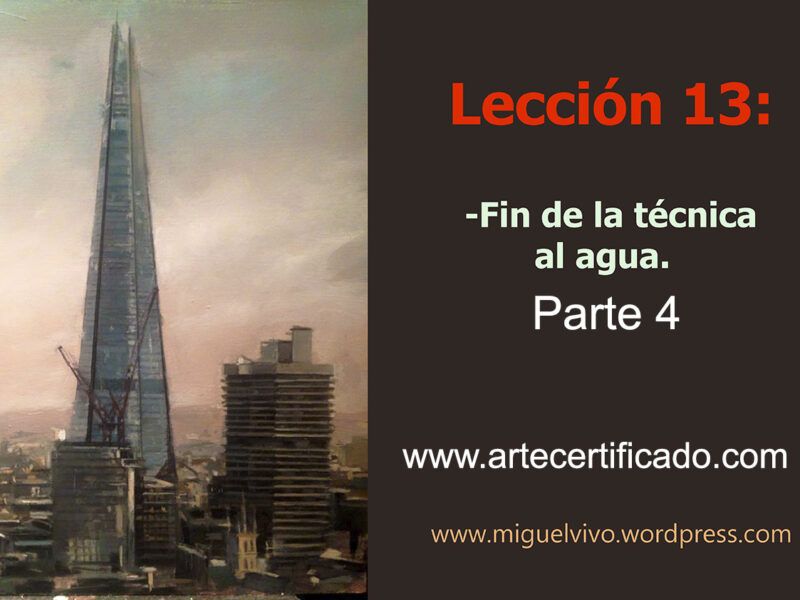
Lección 13 parte 4 del curso de pintura técnica mixta: consolidación final de la técnica al agua y control definitivo de planos y valores.
End of the water-based technique · Part 4

Lesson 13. Part 4

Consolidation of the overall structure of the painting.
Reinforcement of planes, contrasts and long-distance readability.
Final adjustments before definitively closing the water-based technique.

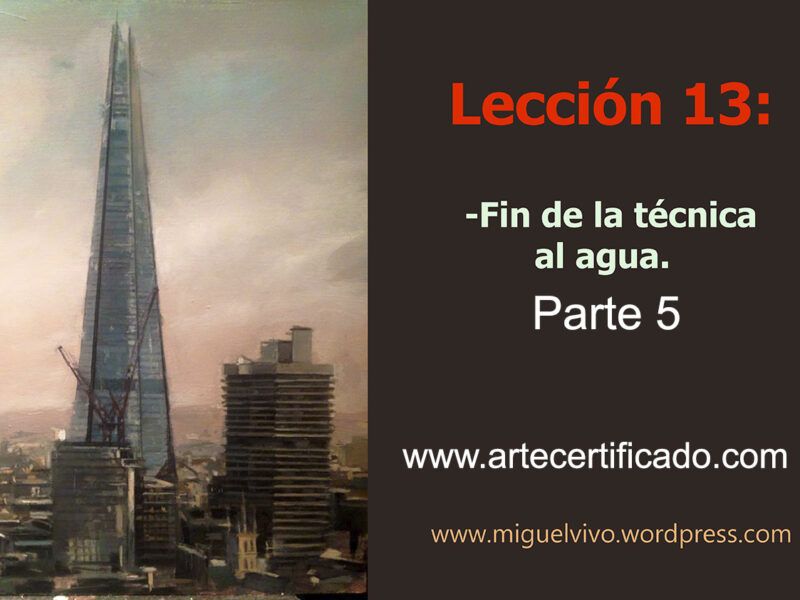
Lección 13 parte 5 del curso de pintura técnica mixta: cierre definitivo de la técnica al agua y consolidación final de valores y atmósfera
End of the water-based technique · Part 5

Lesson 13. Part 5

Final and irreversible closure of the water-based technique.
Values, planes and overall readability are consolidated.
From this point onwards, the work moves into a new technical phase.

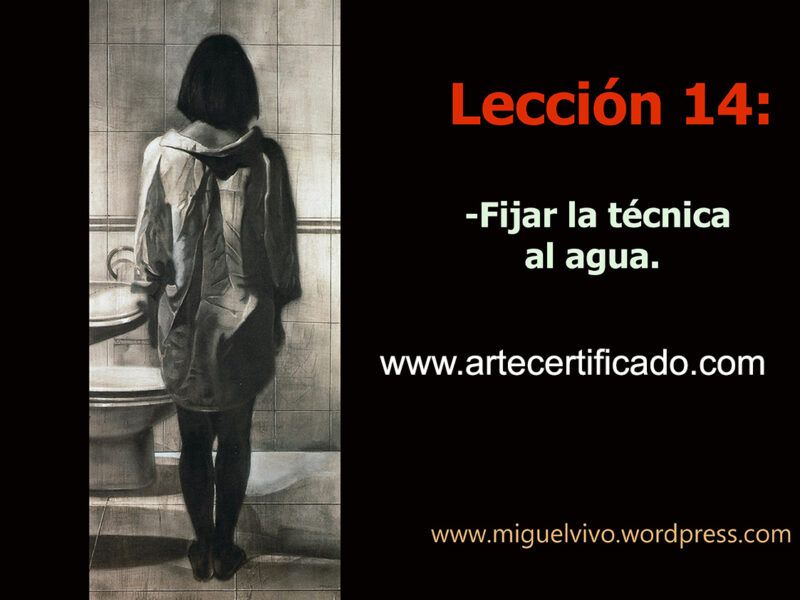
Lección 14 del curso de pintura técnica mixta: fijar la técnica al agua antes de continuar con procesos posteriores.
Fixing the water-based technique

Lesson 14

Method for permanently fixing the water-based technique.
The drawing, values and achieved atmosphere are secured.
An essential step before continuing with new techniques.
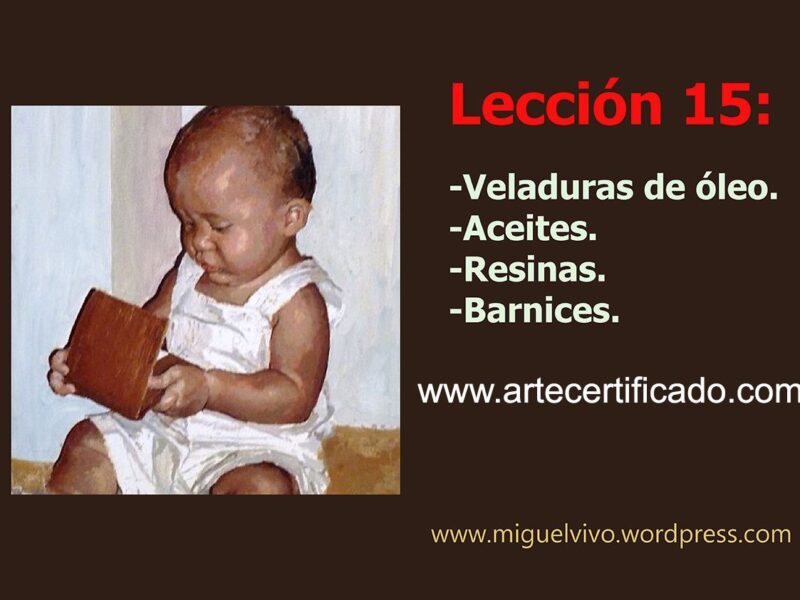
Lección 15 del curso de pintura técnica mixta: veladuras de óleo, uso de aceites, resinas y barnices.
Oil glazes · Oils · Resins · Varnishes

Lesson 15

Introduction to oil glazing over a fully fixed technique.
Use of oils and resins to enrich colour and depth.
Basic criteria for varnishing without damaging the work.
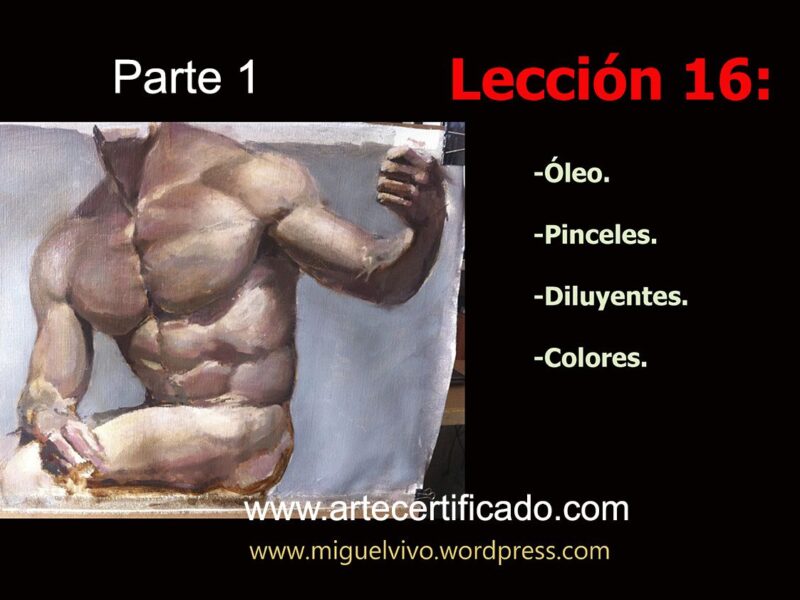
Lección 16 parte 1 del curso de pintura: introducción al óleo, pinceles, diluyentes y selección de colores.
Oil paint · Brushes · Solvents · Colours

Lesson 16 · Part 1

We begin direct work with oil paint on an already established base.
We analyse brush types, their real function, and how they affect the brushstroke.
Correct use of solvents, paint loading, and sound judgement in colour selection.

Lección 16 parte 2 del curso de pintura: trabajo con óleo, control de la pincelada, masa y dirección del trazo.
Oil paint · Brushstroke · Mass · Direction

Lesson 16 · Part 2

We fully enter the application of oil paint.
We treat the brushstroke as a constructive element, not a decorative one.
Mass, stroke direction and the relationship between planes are defined, avoiding premature detail.
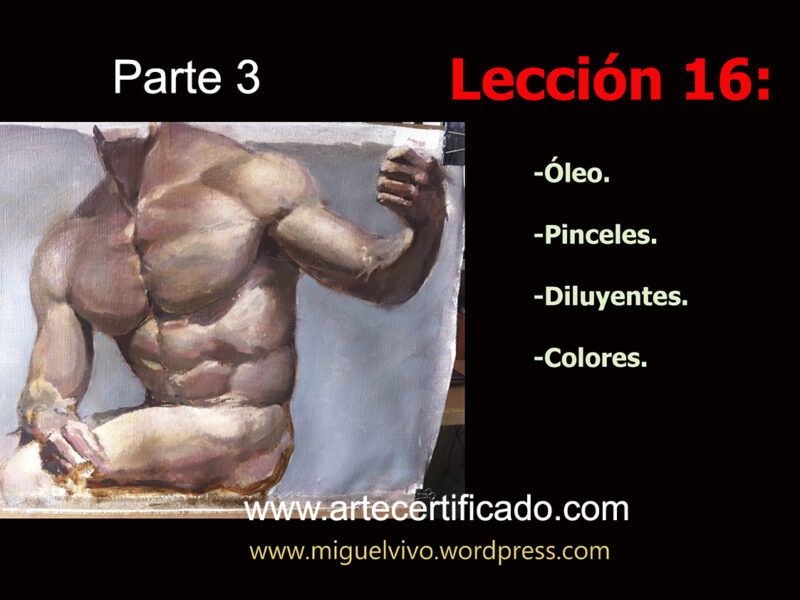
Lección 16 parte 3 del curso de pintura: ajuste final en óleo, definición de forma, control de color y pincelada.
Oil paint · Final adjustment · Form · Decision

Lesson 16 · Part 3

In this part, final decisions are made.
Proportions are adjusted, form is clarified, and the main planes are reinforced without overloading the painting.

Here, nothing is “improved”: decisions are made.
Every brushstroke counts and removes what is unnecessary.

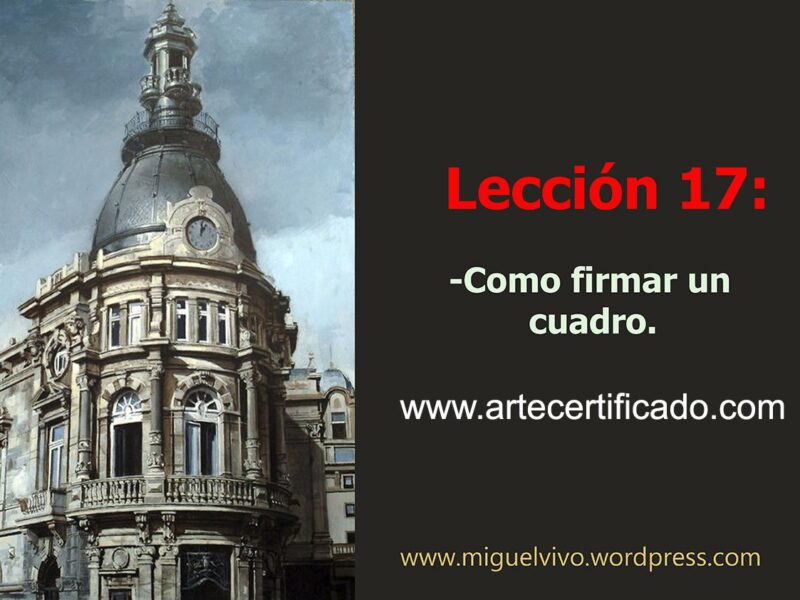
Lección 17 del curso de pintura: cómo firmar un cuadro correctamente, ubicación de la firma y criterios profesionales.
How to sign a painting

Lesson 17

In this lesson, I explain when, how and where to sign a painting.
A signature is not an ornament: it is a technical and professional decision. We examine the relationship between the signature and the composition, the appropriate size, the correct colour, and the most common mistakes that ruin an otherwise well-resolved work.

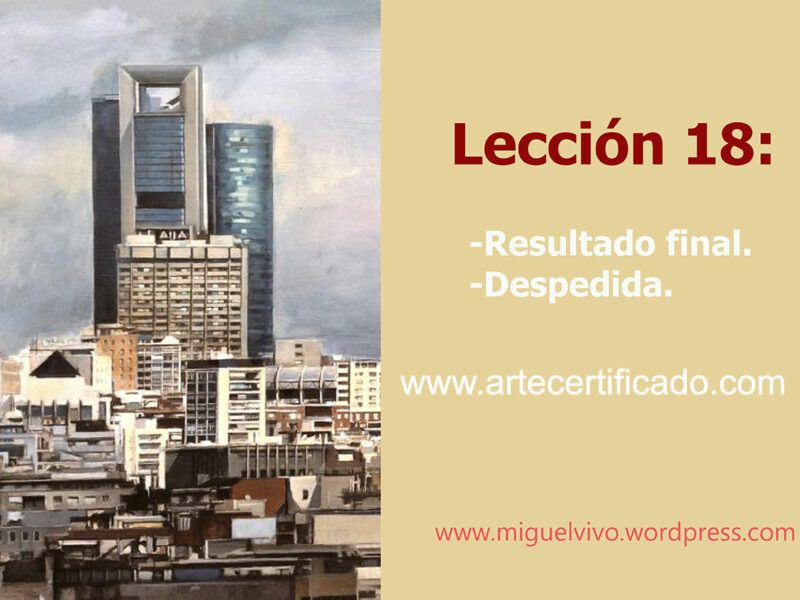
Lección 18 del curso de pintura: resultado final de la obra y cierre completo del proceso pictórico.
Final result · Farewell

Lesson 18

In this final lesson, we look at the finished painting, fully resolved and closed.
I analyse the work as a whole: values, atmosphere, colour, structure and overall coherence.

Nothing more is added. We simply assess whether the painting works as a unified whole.
When there is nothing left to correct without damaging it, the painting is finished.

This is where the course ends.
The goal was not to copy an image, but to understand a complete process, from beginning to end.